Cost Guide for Home Improvement Projects
Home improvement projects intimidate most people not because the work is difficult to understand, but because the cost is difficult to predict. A homeowner knows that a roof replacement will cost more than a gutter cleaning, but when asked for a number, every contractor gives a different one — and all of them seem high relative to what you see in online videos of people doing the work themselves. The real problem is not the number itself, but that you do not know yet whether the number is fair, whether the scope of work matches the need, or whether you are paying for excellent execution or for the most profitable option for the contractor. The cost conversation needs to start somewhere, and this is where.
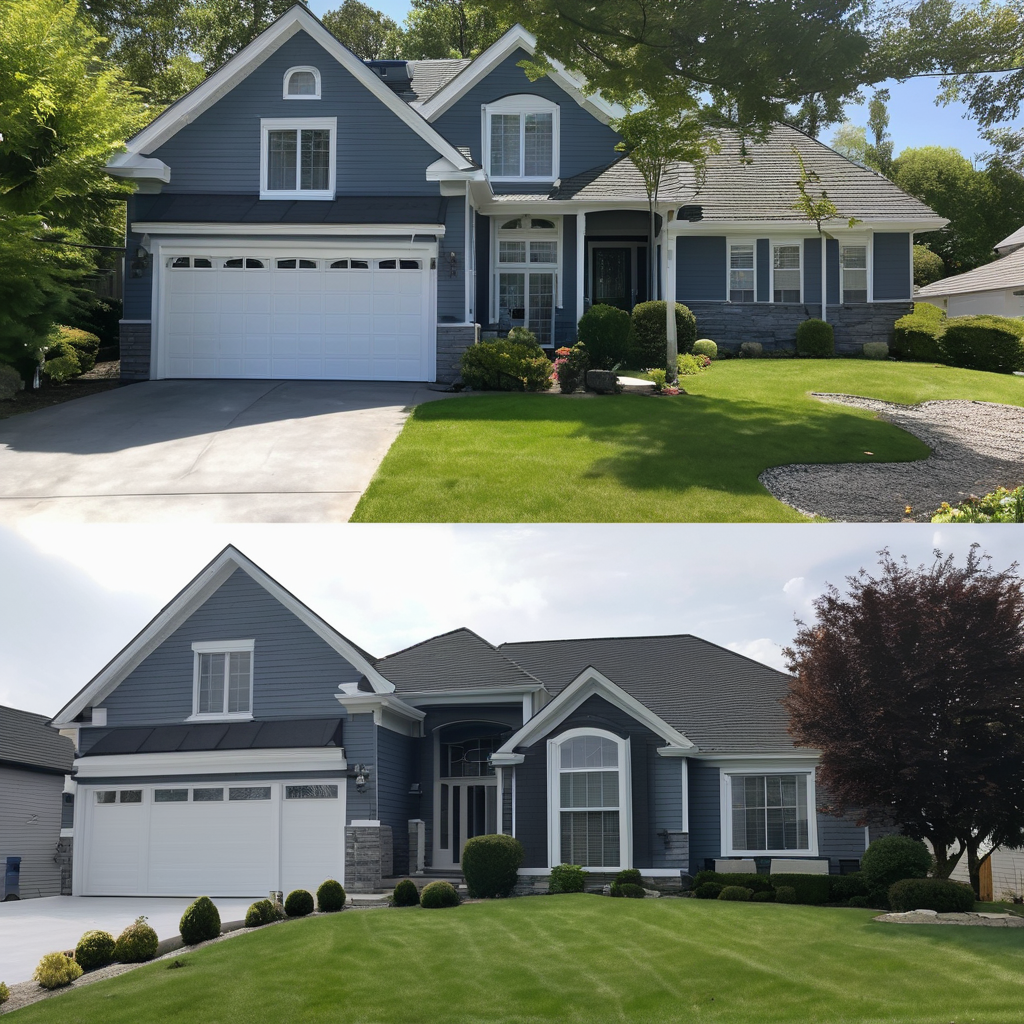
The difference between a cheap price and a fair price is whether the contractor is cutting corners or cutting profit.
Questions to Ask Before Committing
- Does the contractor’s quote break down the cost of labor, materials, and waste, or is it a single lump number? A detailed quote shows you what you are paying for.
- Are they licensed and insured in your state, and can they provide proof? This is not optional; it is the floor.
- Have they walked the site and measured it themselves, or are they estimating from photos? A contractor who does not see the problem in person is guessing.
- What is the timeline from start to finish, and what holds up the work? Weather, material delivery, and inspections all affect the cost if they affect the schedule.
- What warranty comes with the work, and what does it cover? A warranty that covers only defects in labor but not in materials is a cost-shifting agreement, not a commitment.
What It Typically Costs
Research from the Zonda Cost vs. Value Report shows that an asphalt roof replacement recoups roughly 68% of its cost at resale, well below curb-appeal projects like a new garage door. That is the number I hold up against any quote before deciding it is a fair price. These estimates are national averages and will shift based on local labor rates, material availability, and your specific home’s complexity.
-
Residential Roof Replacement
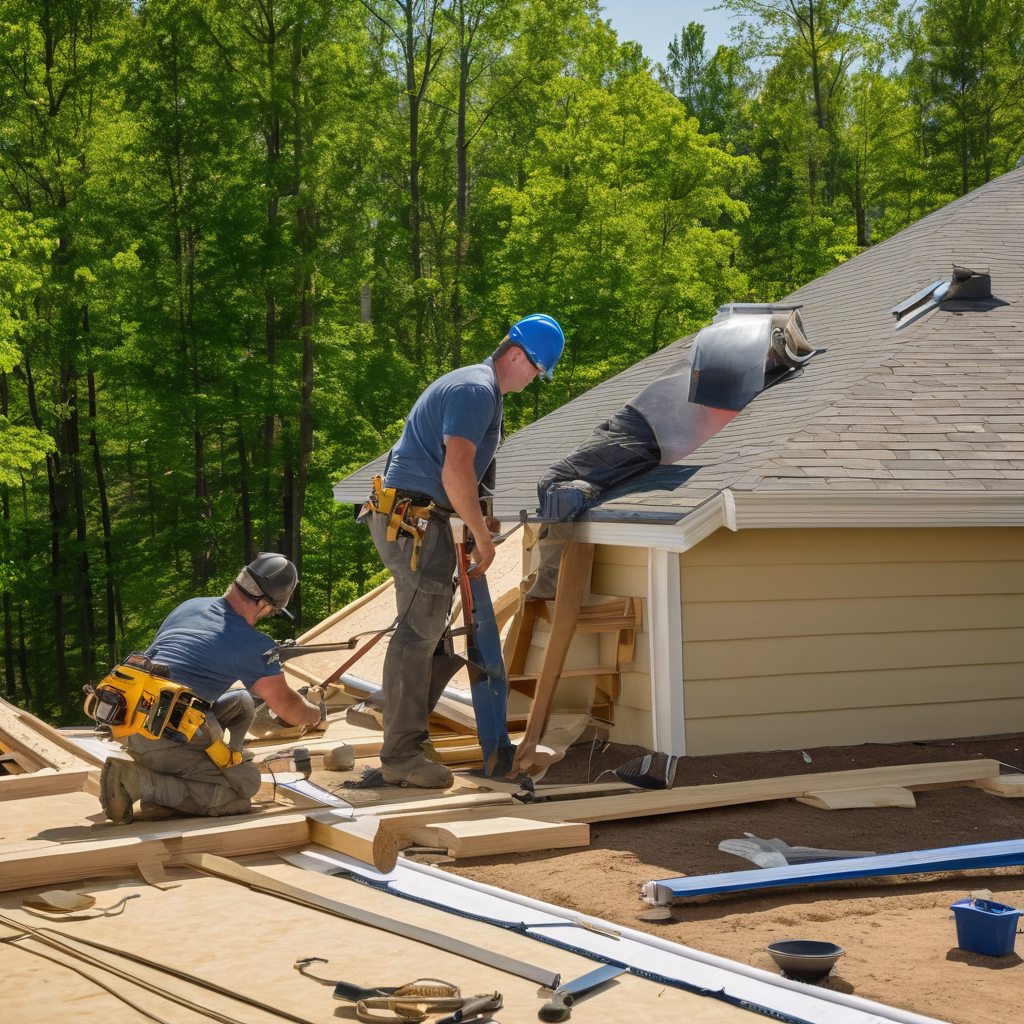
$8,000 to $15,000 for a standard 2,000-square-foot roof in asphalt shingles. Architectural shingles and metal roofing run $12,000 to $25,000. The range depends on pitch, access, removal of old material, and whether the deck needs repair underneath.
-
Deck Construction
$3,000 to $8,000 for a pressure-treated 12-by-16-foot deck on a single level, $8,000 to $15,000 for composite. Multi-level decks with built-in seating or shade structures run $15,000 to $30,000. Material choice and post-to-ground connection method are the biggest cost drivers.
-
Siding Replacement
$10,000 to $20,000 for vinyl on a 2,000-square-foot exterior, $15,000 to $25,000 for fiber cement, and $25,000 to $40,000 for engineered wood or metal. The cost includes removal of old siding, sheathing repair, flashing, and new trim around openings.
-
Emergency Storm Repair
$1,500 to $5,000 for temporary weather-tightening and $5,000 to $15,000 for permanent repair, depending on damage extent and whether the insurance company covers it. Temporary work is often cheaper than permanent and buys time for the adjuster to document the loss.
What to Consider First
The number above moves a lot depending on the material — asphalt, metal, tile and slate all carry different upfront costs and different lifespans. For the detail on how they compare, see This Old House‘s roofing materials guide. Before you commit to a budget, understand what the material choice means for maintenance, durability, and resale value. A cheaper material that requires inspection every two years is not a cost savings. A more expensive material that lasts thirty years without attention often is, even if the quote makes you wince at first.
When to Call a Professional
Some projects you can price online and make a good decision. Roofing is rarely one of them. The live condition of your roof deck matters far more than the square footage your tape measure shows — soft spots underneath, previous patches, and the quality of the ventilation system all affect what you need to do and what it will cost. A professional walks the site, tests the structure, identifies the actual problem, and gives you a quote that accounts for reality instead of assumption. That is when you can compare numbers fairly and make a decision that will not haunt you in year five.